
As languages go, Portuguese is a bit of a two-faced Judas. As we explore the island of Sao Miquel in our shitty, rented Renault (Renault is French for Chrysler, by the way), the signage is easy enough to translate if you’ve spent any time studying Spanish (or a Doordash menu from the Mexican restaurant on the corner). The adjective order, article & noun genders, and the verb conjugations are all very similar, and many of the words are immediately recognizable (assuming you can get past the fact that the “v” key apparently failed on the Portuguese keyboard generations ago, and instead of calling Geek Squad, they just went ahead and started using the neighboring “b” key in its place).
The belabored point here is that Portuguese seems so friendly and accessible when you enter from the written word side of the church, that you are lulled into a false sense of language mastery. So, when you wander into a supermercado here to pickup an onion (cebola), milk (leite) or a big, glass jar full of hotdogs (Google it yourself), and you confidently address the pretty, straight-toothed cashier with, “Hola, bom dia!” and then start proudly rattling off the items in your cart just to impress her, whatever you said beyond Hola, if you are lucky, sounded like static from a Spanish radio station blasting through a beehive. Even your accent on Hola made that poor young lady wince like she had just accidentally bit down on aluminum foil and probably shriveled her uterus and left her barren.
Yes, your pronunciation is that bad.
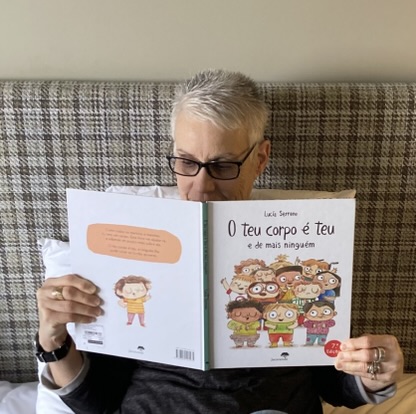
The Portugeuse are a lot like the French when they speak (and thankfully, that’s one of their only shared traits), as they start with a seemingly straightforward plan when they write a word down but then go all freestyle, jazz riffing on the pronounciation. Bom dia sounds like b’JEE-uh, exceção (esh-SAY-soum) sounds more like the way the English word looks (exception), and “nice to meet you” might as well be super-cala-fragi-listic-expi-ala-docious.

I honestly don’t know where I’m going with this post other than to offer a single point of advice. Unless you have been conversing fluently in Portugeuse for years, give these poor peoples’ ears a break and shut the hell up! They know you’re American. They spotted that from across the street. They’ll tolerate your holas and excessive thank yous (obrigadas/os), but they would prefer to get the transaction over with quickly in English, which they all seemingly know humblingly well.
Take it from me, Mark Karbinen, international shrinker of uteri.
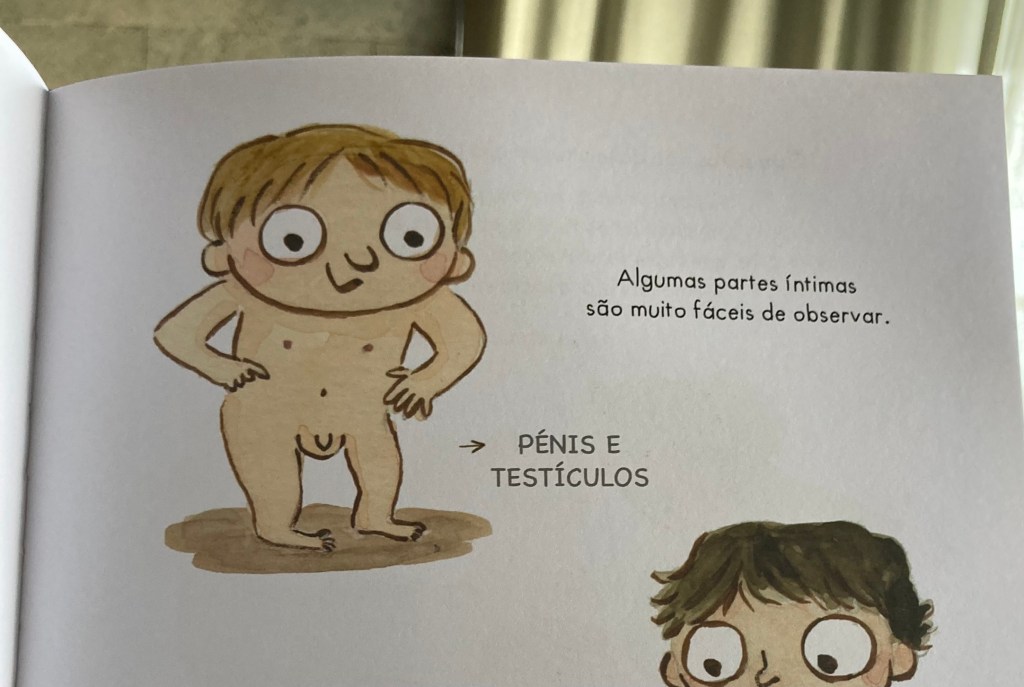
(not to scale)
 The Hillbilly Viking
Leave a comment