
I’d be remiss if I spent all this time on the Iberian peninsula and didn’t mention The Way. But first, let’s be absolutely clear that I am not referring to the similarly named, bible thumping, sexually manipulating, Christian cult from Ohio that admirably condones a two-drink minimum. No, in this context, I’m referring to the Camino de Santiago, which is otherwise known as The Way of St. James the Apostle; The Way, for short.
For those unfamiliar with the cool kids of first century AD, Jimbo was one of Jesus’s original 12 fishing buddies before Judas went all Yoko and broke up the band. I don’t know why Spain eventually adopted James as their patron saint (maybe he was the one who ordered pitchers of sangria for the table at The Last Supper), but his remains are allegedly buried in Santiago, Spain, and people seem to like to go there and pay their respects.
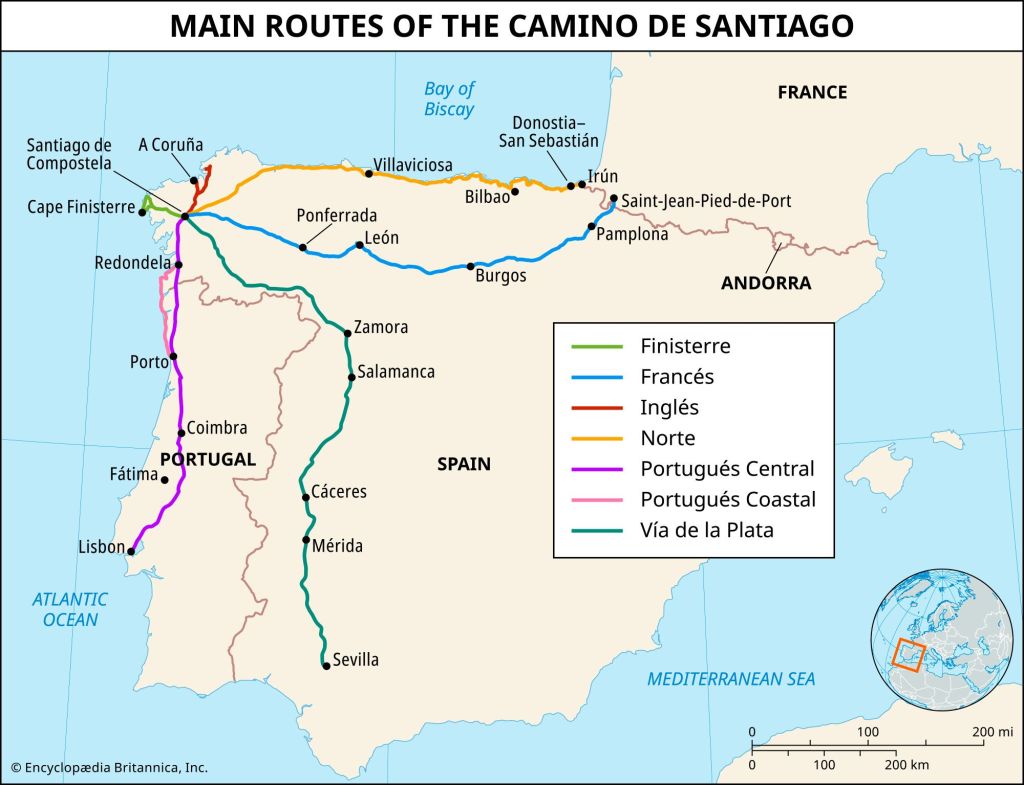
As a matter of fact, every year, nearly half a million self-proclaimed pilgrims from all over the world take time off from their lives and walk hundreds of miles on ancient, established routes to Santiago to honor St. James because they apparently never heard of Disney World.
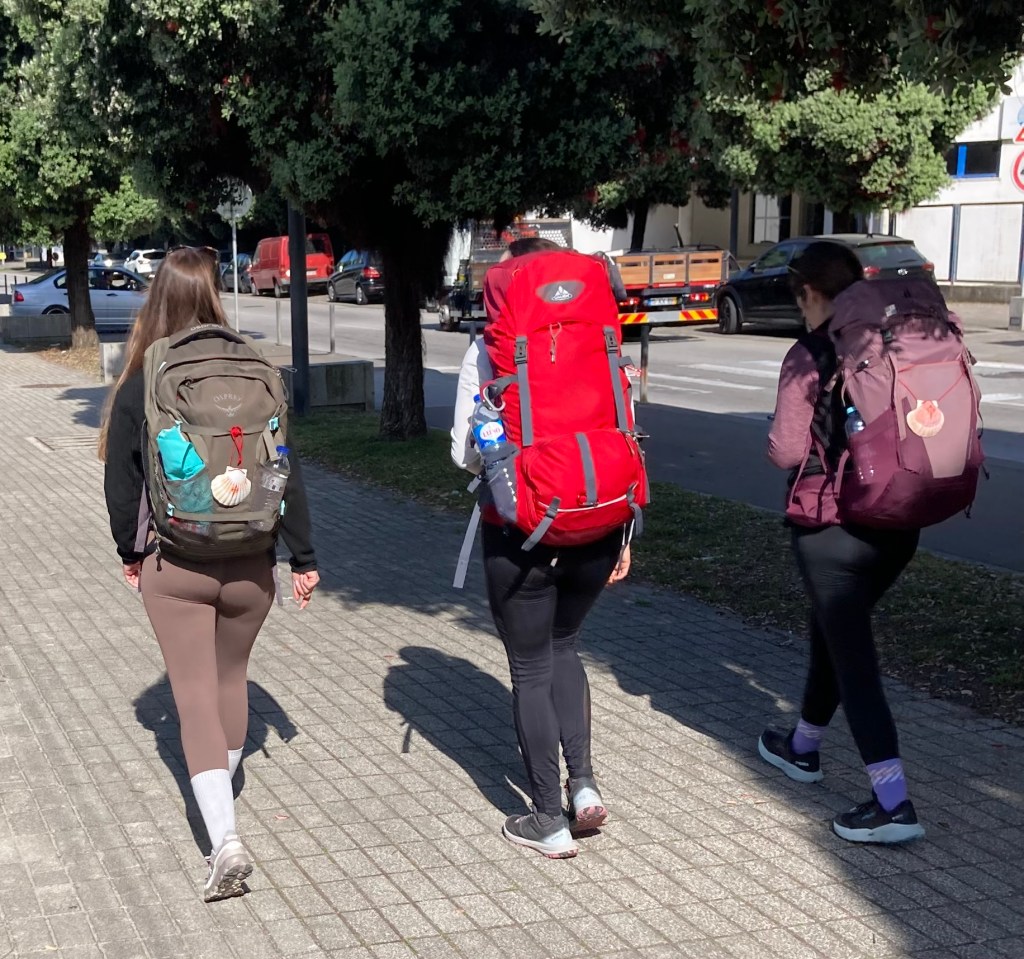
Some of these routes converge right where we are currently apartment hunting, so we regularly pass dozens of pilgrims on our way to the supermercado to buy Portuguese wine and Gas-X. They don’t wear tall, black hats with belt buckles on them like the Pilgrims I know from back when I used to trace my left hand to draw a turkey, but they are still immediately recognizable. Stooped under the weight of heavy, Gortex backpacks; heads covered from the surprisingly fierce, Iberian sun; technical hiking poles clacking on the cobblestones; and seashells dangling from their backsides like promotional air fresheners from a Daytona Beach car wash, Camino pilgrims are hard to miss. They span all age groups, ethnicities, religions (or lack thereof), and body types.
And even though this region is rosary deep in Catholics, and the entire mythology of Camino is steeped in early Christian imagery and symbolism, a surprising percentage of the pilgrims don’t even identify with Christianity. Many self-proclaim as “spiritual.” Many use the trek as a form of personal or alternate religious meditation. Many are there for the arduous, personal challenge. One of the pilgrims Patty spoke at length with on the beach the other day does it because she “just likes to walk.” You know, for funsies!
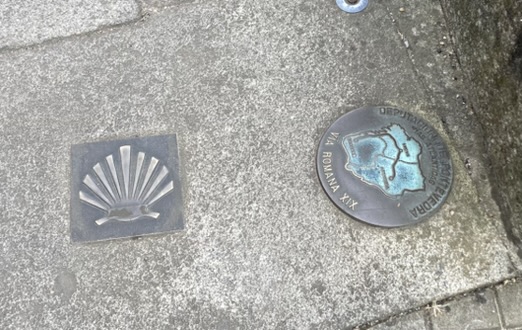
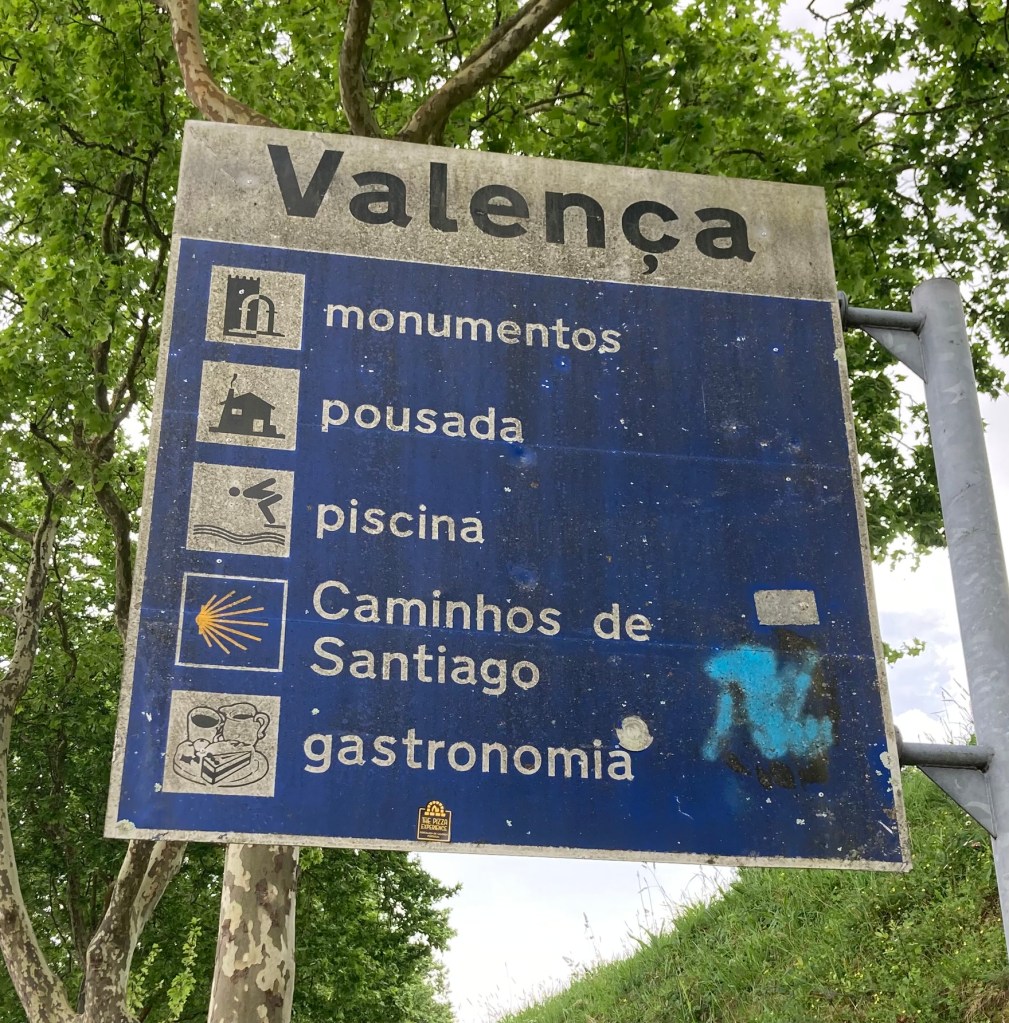
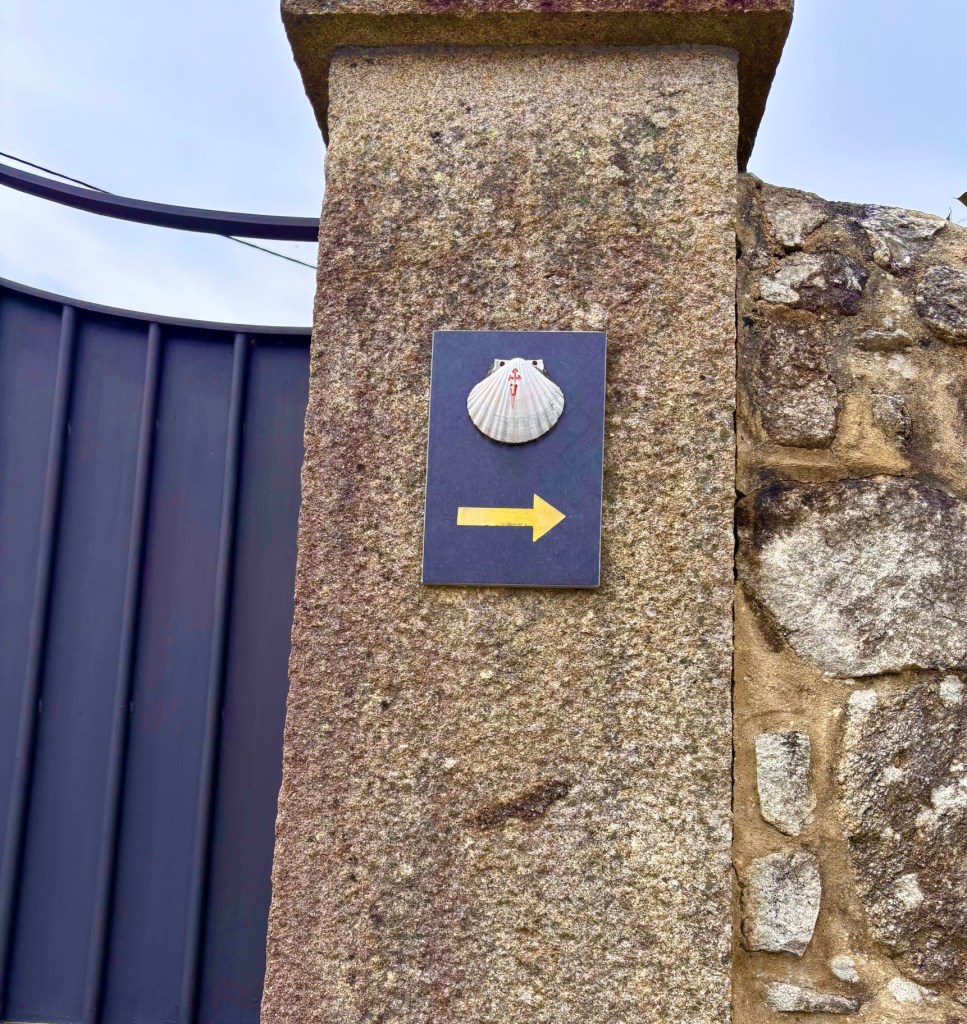
When you really start looking around, you begin to notice all the cryptic seashell symbols, colored trail markings etched into walls, little offerings tucked into crevices, and merchant signs offering Camino stamps just about everywhere. I have friends and readers of this blog who have done some serious Camino-ing and revere the experience as sacred, but if I’m being honest, sometimes it appears to be a big, Dan Brown-themed scavenger hunt.
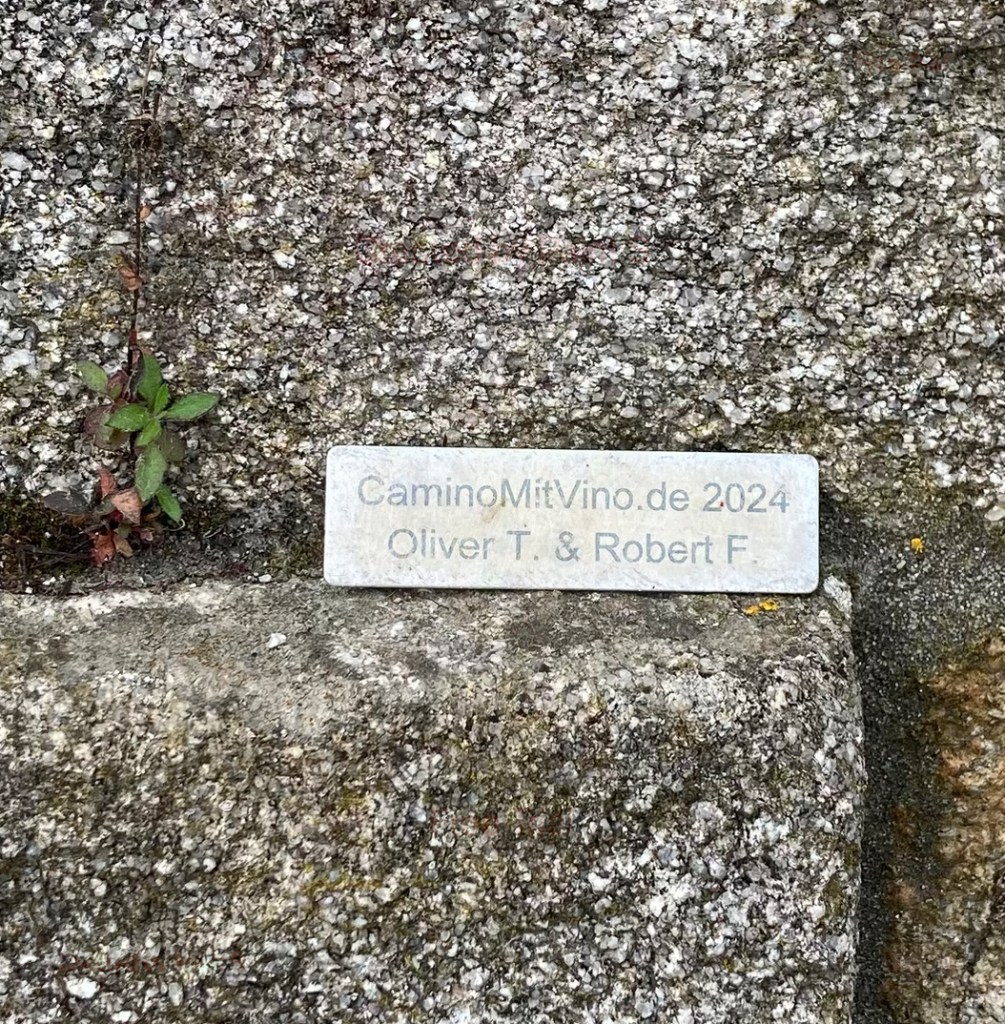
Regardless, “to way” or “not to way” is a personal choice, so I say get out there and get your seashell freak on if that’s what moves you. If, however, considerably more infrastructure is required to move you, might I suggest Portugal’s efficient and economical train system. You can download the app here.



Leave a Reply